
Ukraine Offers Reciprocal Halt to Energy Strikes as Pressure From Washington Grows
Volodymyr Zelenskyy says Kyiv will stop hitting Russian oil refineries if Moscow stops striking Ukraine’s energy grid, a day after Donald Trump said Ukraine needs a new leader.
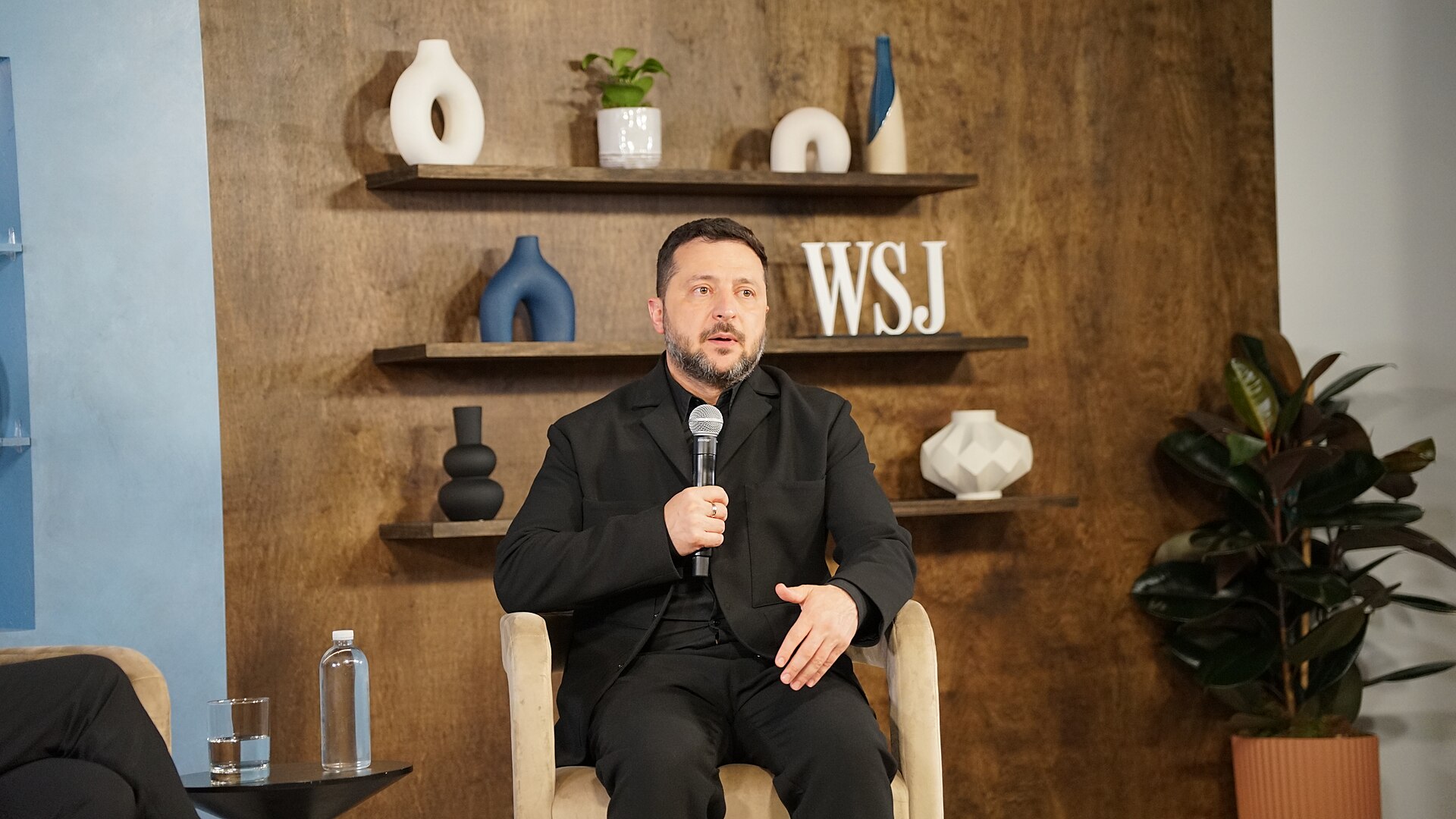
Ukraine is prepared to stop attacking Russian oil refineries if Russia stops striking Ukrainian energy infrastructure, President Volodymyr Zelenskyy said Sunday, presenting a conditional proposal rather than announcing a ceasefire.
“Ukraine will be ready to stop striking Russian oil refineries if Russia stops striking our energy infrastructure,” Zelenskyy wrote in a statement on X. He said any steps to reduce the fighting “must be mutual and with real guarantees.” He also said that “it is possible to stop strikes on energy infrastructure as early as today, but Putin does not want to do so.” NordoVista found no confirmed Russian acceptance or response to the proposal.
A day after Trump’s remarks
The offer followed pointed remarks by United States President Donald Trump on Saturday. Trump criticized Ukraine’s strikes on Russian refineries and linked them to higher fuel prices. “I suggest they get a new leader who can make a deal because he could have made many deals and for some reason he never does,” Trump said, according to Euronews, which also reported him saying of Zelenskyy that “he wants to make problems for the world.” Trump had earlier pressed Ukraine to stop the refinery attacks, including in September, according to Axios and other reporting.
Foreign Minister Andrii Sybiha rejected the idea that another country should choose Ukraine’s leader. Ukrainians “have the right to decide,” he wrote on X, and “statements from abroad only confirm that he is doing his job well.”
The diesel deal at the centre of the dispute
The dispute has intensified since Trump announced an arrangement after talks with Russian President Vladimir Putin. Trump said Russia would “immediately supply over 300,000 tons of Diesel Fuel to the American and Global Marketplace,” with a further 500,000 tons in November, according to Euronews. Newsweek described it as a deal that would ease sanctions on Russian energy exports in return for diesel supply. Zelenskyy called it a “gift to Putin” that would “not bring peace or any benefit to the civilized world.” European officials, including EU foreign policy chief Kaja Kallas, warned that easing sanctions would give Moscow more revenue. The commercial details and effects remain uncertain, since announcing a supply deal is not the same as confirming that fuel has been delivered or that prices will fall.
Why energy has become the central battlefield
Ukraine has expanded attacks on Russian oil facilities and other infrastructure to raise the economic cost of the invasion. It has also struck Russian technology sites, including a data hub this weekend, according to CNBC’s headline report. Russia, meanwhile, has continued striking Ukrainian power facilities and cities, with Zelenskyy warning last week that winter will bring more daily attacks. Damage to refining capacity can affect fuel supply and military logistics, while damage to power generation and transmission can interrupt heating, water and industry.
Why a narrow pause could matter, and what it would require
A pause limited to energy targets could protect civilians and lower some immediate economic risks while fighting continues elsewhere. But it would face hard questions: which facilities are covered, how violations would be assessed, and what would happen if an attack occurred after the pause began. Independent verification would be essential because both governments regularly issue competing claims about the targets and results of long-range attacks.
A wider disagreement
The exchange exposes a tension between Ukraine and its most powerful partner: Kyiv wants sustained pressure on Russia, while the White House faces domestic concern about fuel prices ahead of the midterm elections. Zelenskyy has also spoken with French President Emmanuel Macron about the challenges of easing sanctions on oil products, as Europe continues its own discussions on military support and sanctions.
For now, the development is a conditional offer, not a negotiated breakthrough. The next meaningful signal would be a public Russian response, accompanied by a credible process to monitor compliance.
Comments
Join the conversation
Enter your email — we'll send a 6-digit code so you can post a comment. No password needed.
- Be the first to comment.