
Russian Strikes Add to Ukraine's Civilian Toll as Winter Nears Excerpt (subtitle)
After more than 50 deaths in three days, fresh attacks killed three people on Friday while Zelenskyy warned of more daily strikes and urged NATO to turn support into air defence.
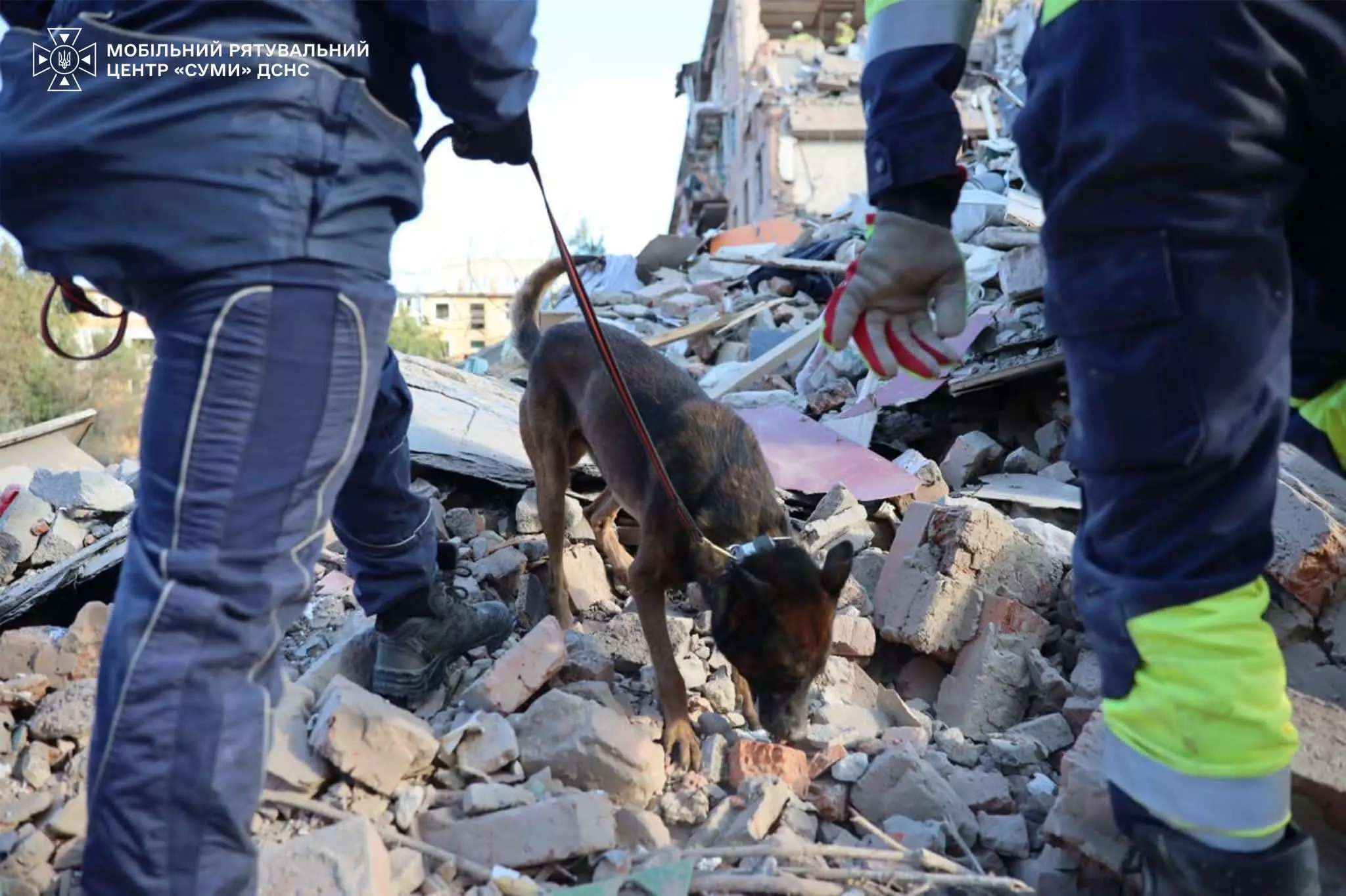
Russian strikes across Ukraine killed three people and wounded at least eight on Friday, according to officials cited by The Associated Press, after more than 50 people were killed over the previous three days and as concern grows about the approaching winter.
Friday's attacks
One man was killed and five people, including a child, were wounded in Zaporizhzhia, according to regional military head Mykhailo Semikin. One man was killed in the Ivano Frankivsk region. In the Bucha district of the Kyiv region, a woman was killed at a warehouse site, and three people were wounded.
A deadly week
Friday's toll came after several of the war's worst recent days. A missile strike on Pryluky, in the Chernihiv region, hit a five-storey apartment block overnight on Wednesday. Kyiv Independent reported at least 20 dead, including five children, and the Associated Press has since put the toll at 22. President Volodymyr Zelenskyy called it "one of the most vile strikes" of the nearly five-year conflict and said the attacks were "an absolutely deliberate choice of terror." The Associated Press also reported that a Russian guided bomb hit buses in eastern Ukraine on Thursday and killed 30 people. NordoVista could not find a second source for that figure, so it attributes it to the Associated Press and treats it as unconfirmed.
Winter and the power grid
Zelenskyy warned that Moscow is likely to escalate daily attacks as winter approaches, said the energy grid has suffered heavy damage and that crews are working "around the clock" on repairs. Kyiv will reopen what authorities call "points of invincibility," heated and powered aid stations, in three districts. Emergency assistance points are being prepared in other areas facing outages, and damage to electricity and transport infrastructure can disrupt civilian life well beyond the immediate impact sites.
The air defence gap
Zelenskyy urged NATO countries to turn verbal support into concrete defence packages, especially anti-ballistic systems, ammunition, and interceptors. Ukraine can intercept many drones, but ballistic missiles, which Zelenskyy has described as the greatest challenge to Ukrainian air defence, remain a persistent constraint, as do the cost and availability of interceptors.
Strikes inside Russia
Ukraine has also struck targets in Russia. A drone attack damaged a Yandex data center in Kaluga, the second Yandex facility hit in two days, according to the Associated Press. Zelenskyy said Ukraine hit the Ukhta oil refinery, though the head of Russia's Komi region reported no damage. Russian officials said a Ukrainian attack in Belgorod killed two people and wounded 12, and Russia's Defence Ministry said it downed 505 Ukrainian drones overnight. Claims by either military about the effect of individual attacks require independent verification.
What comes next
The immediate consequences are civilian deaths, damaged homes and interrupted services. The wider question is whether both sides will intensify attacks on energy infrastructure in colder weather, when heating and electricity failures can compound humanitarian risks.
Comments
Join the conversation
Enter your email — we'll send a 6-digit code so you can post a comment. No password needed.
- Be the first to comment.