
Ottawa Election Enters Voting Phase as Transit and Affordability Shape the Campaign
Special advance voting begins October 1 as Ottawa residents prepare to choose a mayor, councillors and school board trustees, with transit, property taxes, public safety and infrastructure emerging as prominent campaign issues.
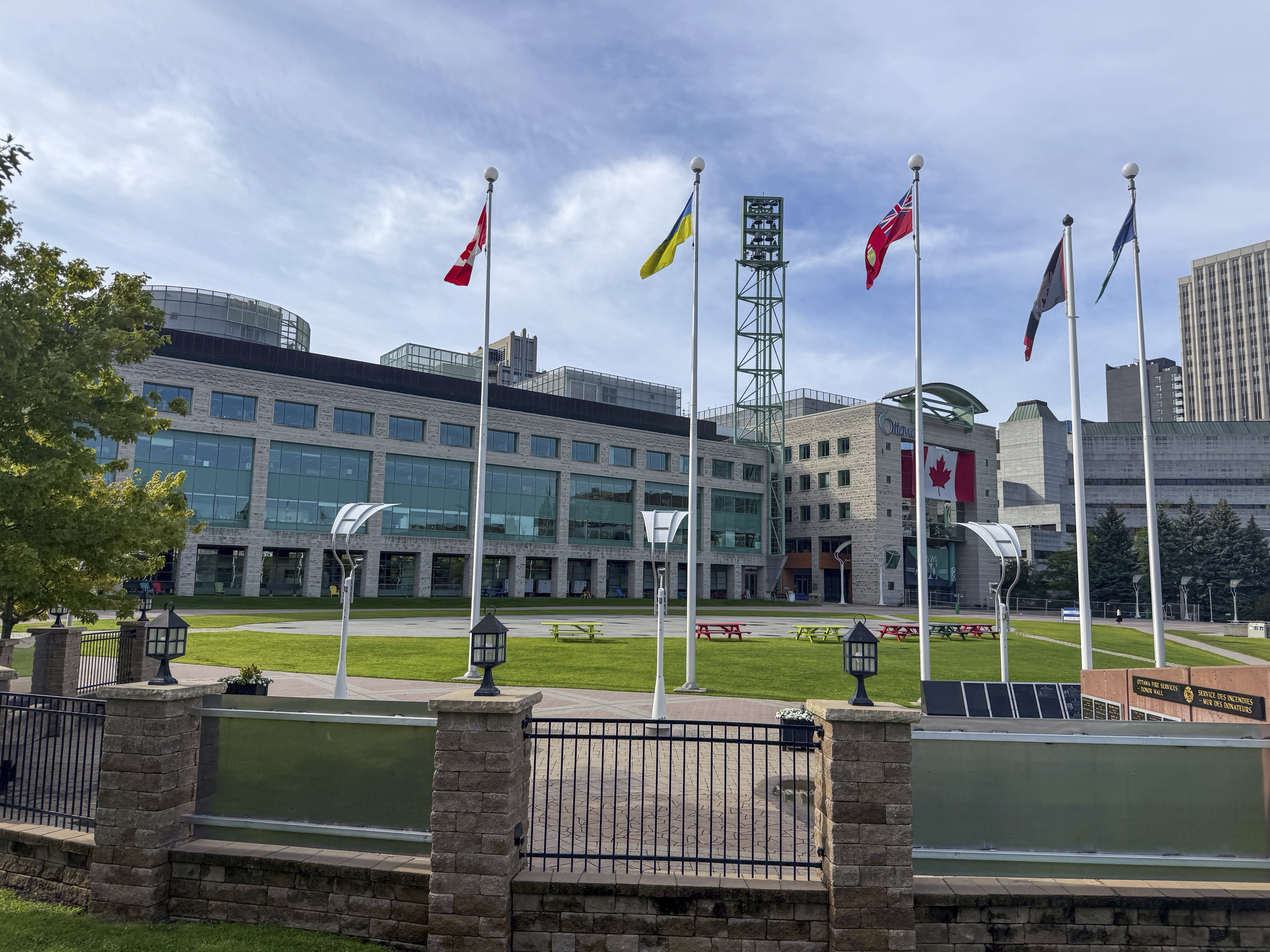
Ottawa's 2026 municipal election is moving from campaigning toward voting, with residents able to begin casting ballots next week and candidates facing increasing scrutiny over transit, housing, affordability and the city's infrastructure needs.
When and where voting actually happens
The City of Ottawa confirmed that special advance voting will run from Thursday, October 1 through Sunday, October 4, giving eligible electors four days to vote before the regular advance vote and election day. During this special advance period, voters can cast their ballot at any of ten designated locations across Ottawa regardless of their qualifying address, with voting available from 10 a.m. until 8 p.m. Locations include Ottawa City Hall, Nepean Sportsplex, Minto Recreation Complex in Barrhaven, Richcraft Recreation Complex in Kanata, St Laurent Complex, and several other facilities across the city.
The two dates after that work differently
Regular advance voting will take place October 16, and election day is Monday, October 26. On those two dates, unlike the special advance period, residents must vote at their assigned voting location rather than using the citywide voting model. Ottawa voters will elect a mayor, city councillors and school board trustees across the city's 24 wards.
Who is actually on the ballot
Fourteen candidates are certified for the mayoral contest, according to the city's candidate list, including incumbent Mayor Mark Sutcliffe, councillor Jeff Leiper, Alex Lawson and Neil Saravanamuttoo, along with ten other candidates. Sutcliffe is seeking a second term after winning 51.4 percent of the citywide vote against Catherine McKenney's 37.9 percent in 2022. Across the city's council races, 85 candidates are certified for the 24 ward seats, with all but two of the 25 sitting council members seeking re-election this year.
Where the council map is actually changing
Some wards have crowded contests, including Stittsville, where nine candidates are seeking the seat being vacated by councillor Glen Gower. Kitchissippi also has no incumbent after Leiper entered the mayoral contest. Other parts of the city will see continuity. Riley Brockington in River Ward and David Brown in Rideau Jock were acclaimed because they had no opponents when nominations closed.
What voters say they care about most
As voting approaches, transportation and affordability are emerging as prominent issues. A poll conducted by ElectRight on September 17 and 18 for Ottawa Compass and iPolitics found that 31 percent of respondents identified fixing public transit as their most important priority. 17 percent selected keeping property taxes as low as possible, followed by public safety at 14 percent and the city's infrastructure backlog at 13 percent. The survey included about 600 respondents contacted by telephone and text and reported a margin of error of plus or minus four percentage points. The sample included a relatively large proportion of older and higher-income respondents, which should be considered when interpreting the results.
What the same poll could and could not tell us
The same survey measured support for the mayoral candidates, but with more than a month remaining before election day and 28 percent of respondents undecided, the results provide a snapshot of opinion during the campaign rather than a prediction of the final result. Earlier polling this year from a separate tracking series showed the mayoral field narrowing over successive months, with the incumbent's support among decided voters declining even as his position at the top of the field held, underscoring why any single survey should be read as one data point in a still moving race rather than a settled picture.
How the debates are sharpening
Candidate debates are also moving increasingly toward specific local concerns. A recent student mayoral debate at Carleton University involving Lawson, Leiper and Saravanamuttoo focused on housing, transit, nightlife and municipal services. Sutcliffe did not participate in that event. The discussion illustrated how the citywide campaign is beginning to move beyond candidate introductions toward questions about how Ottawa should grow and how municipal services should be financed and delivered. Neighbourhood contests are developing around similar concerns. In Stittsville, local election discussions have included roads, transit and growth, while other wards are confronting questions about housing density, infrastructure capacity and municipal services.
What changes once voting actually starts
The approaching start of voting changes the campaign's rhythm. Candidates now have little time to persuade residents who intend to vote early, while voters have an opportunity to compare proposals on issues that will directly affect neighbourhoods, household costs and daily transportation. For Ottawa residents, October 1 therefore marks more than another date on the election calendar. It is the point when the campaign begins turning into actual votes, and the remaining weeks will show whether transit, affordability and infrastructure continue to dominate the debate or whether new issues reshape the choices residents make before October 26.
Comments
Join the conversation
Enter your email — we'll send a 6-digit code so you can post a comment. No password needed.
- Be the first to comment.