Analysis: Ankara Is Becoming the Address Everyone Passes Through
A defence pact, a domestic reconciliation law, and now a Palestinian head of state in the same two weeks. Turkiye’s foreign policy is compounding, not coincidental.
There is a pattern worth naming in the string of stories coming out of Ankara this month, and it is not simply that Turkiye has been busy.
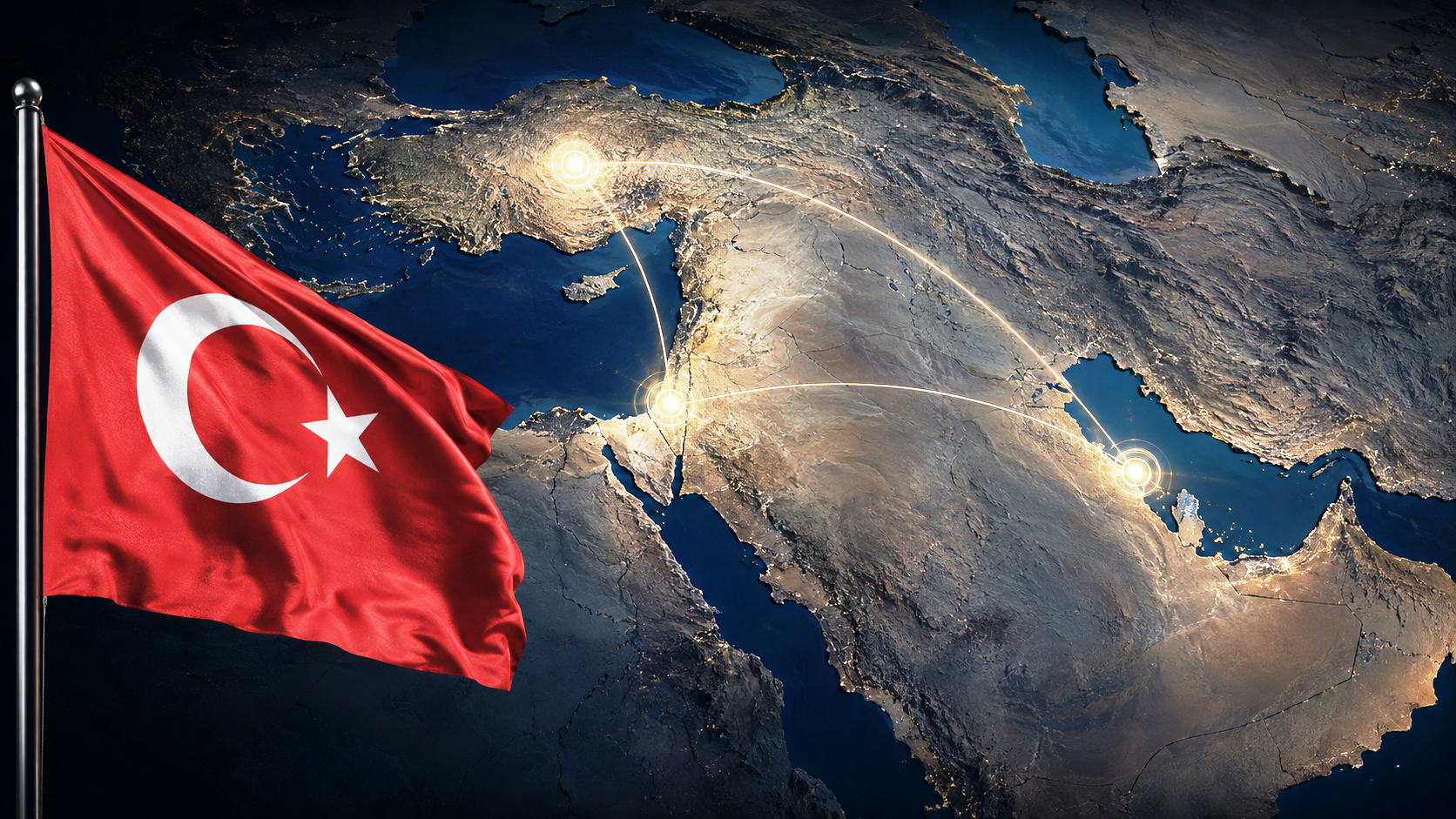
In the space of two weeks, Turkiye signed a mutual defence pact with Saudi Arabia and Pakistan, passed a domestic law aimed at ending a forty year conflict with the PKK by a nearly five to one margin, and hosted the Palestinian president for a three day state visit that lands just days after Israel’s prime minister publicly rejected the very peace roadmap Washington had called historic. Any one of these stories would be significant on its own. Together, they describe a country positioning itself as a node other actors feel they need to pass through.
That positioning is not accidental. A country that has just closed, or nearly closed, a five decade domestic security question has more diplomatic bandwidth to spend abroad. A country that has just formalized new defence relationships with two of the Muslim world’s other major powers has more credibility to offer as a venue for difficult conversations. And a country that has spent decades cultivating a specific, consistent position on Palestinian statehood has standing that is hard to manufacture on short notice when a crisis like the current Gaza impasse demands somewhere for all sides to be heard.
None of this means Ankara has become indispensable. Turkiye is not a party to the Gaza ceasefire talks in the way Egypt and Qatar are, and its influence over Israeli policy specifically remains limited. But the Abbas visit is a useful data point regardless: when a head of state whose own peace process just stalled needs somewhere to be seen taking his case seriously, Ankara is where he goes.
For a country like Canada that is only now formalizing a trade relationship with Turkiye, the read across is straightforward. The Turkiye that shows up in a free trade negotiation this year is not the same Turkiye of five years ago. It is a country actively converting internal stability and defence partnerships into diplomatic weight it clearly intends to keep using.
Comments
Join the conversation
Enter your email — we'll send a 6-digit code so you can post a comment. No password needed.
- Be the first to comment.