
Can Canada’s Economy Absorb a Prolonged Trade War? The Numbers Say Not Yet Tested
A surprisingly strong 3.3 percent second quarter rebound is real. Still, it mostly predates the tariffs that collapsed trade talks in August, and economists are already warning the next quarter looks very different.
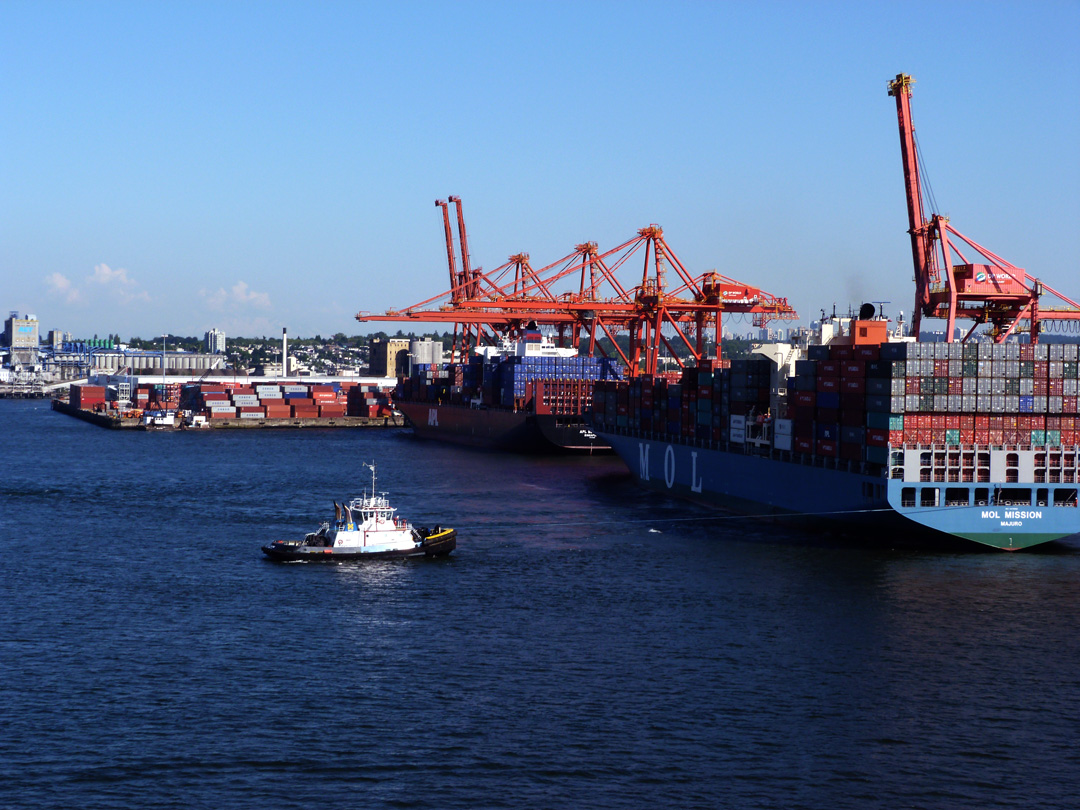
Statistics Canada delivered a genuinely welcome surprise Friday: the economy grew at an annualized 3.3 percent in the second quarter, its fastest pace since early 2023, comfortably beating the Bank of Canada’s own forecast of 2.5 percent. For a government asking Canadians to accept the costs of retaliatory tariffs on the premise that the economy can take it, the timing could hardly be better. The trouble is figuring out how much this particular number actually tells us about the question Ottawa needs answered.
A rebound built before the storm hit
The strength of the quarter was broad based. Exports jumped 3.6 percent, led by a 27 percent surge in shipments of passenger cars and light trucks as auto production rebounded from declines in the prior two quarters. Business investment in machinery and equipment rose to its highest level since the second quarter of 2024, household spending climbed, and Statistics Canada revised away what had briefly looked like a technical recession, restating the first quarter as slightly positive growth rather than a contraction. BMO chief economist Doug Porter called the 3.3 percent figure a solid result, noting that a typical quarter over the past two decades runs closer to 2 percent annualized growth. That is a genuinely strong quarter by any normal standard.
It is also, almost entirely, a story about the period before the trade war reached its current intensity. The quarter runs from April through June, months before trade talks collapsed on August 22 and before Canada’s own retaliatory tariffs were announced. Andrew Grantham, senior economist at CIBC, put the caveat plainly: the rebound in business investment, he said, puts this improvement at risk given the recent escalation of trade tensions with the United States. He also pointed to Statistics Canada’s own advance estimate for July, which showed the economy stalling at zero percent growth before the newest tariffs even took effect in August. In other words, the good news in Friday’s release was already fading before the current, harder phase of the dispute began.
What the quarter cannot tell us
This matters because the actual test Ottawa faces is not whether the economy could handle 18 months of tariff threats and negotiation brinkmanship, the period this data actually covers. It is whether it can handle a confirmed trade breakdown, US tariffs on roughly 27.6 billion dollars of Canadian goods now in effect, and Canadian counter-tariffs of matching scope arriving September 8. Those are different economic conditions than the ones that produced this quarter’s export and investment numbers. A rebound driven partly by automakers restocking after prior production declines is not obviously a sign that the economy has adapted to tariffs. It may just as easily be a sign of activity that was always going to normalize, now colliding with a fresh shock before the previous one had fully worked through the system.
The reasonable reading of the political usefulness of Friday’s number is therefore a narrow one. It genuinely undercuts talk of Canada already being in recession, which is a real and useful fact for a government trying to project confidence. It does not yet tell us anything about how the economy performs under the specific conditions, confirmed tariffs on both sides, that define the dispute Ottawa is actually managing right now. That evidence will not exist until Statistics Canada reports third-quarter data, covering July through September, the period that includes the tariff collapse and the run-up to September 8.
The real test is still ahead
None of this means the underlying resilience Friday’s numbers show is meaningless. An economy that can post its strongest quarter in three years while absorbing a year and a half of tariff uncertainty has more capacity than a fragile one would. But capacity demonstrated under one set of conditions is not the same as capacity confirmed under a harder one. Carney’s government would be well served treating Friday’s release as evidence that the economy entered this confrontation from a position of underlying strength, not as proof that it can simply absorb what comes next. The more honest and more useful question, for policymakers and for Canadians deciding how much patience the confrontation deserves, is what the third quarter numbers show once the actual tariffs are actually in the data. That is the test Canada has not yet taken.
Comments
Join the conversation
Enter your email — we'll send a 6-digit code so you can post a comment. No password needed.
- Be the first to comment.