LNG Canada Nears Expansion Decision That Could Double Pacific Export Capacity
Partners in the Kitimat project could decide as early as October whether to proceed with Phase 2, a major expansion that would double annual LNG capacity and deepen Canada's access to overseas energy markets.
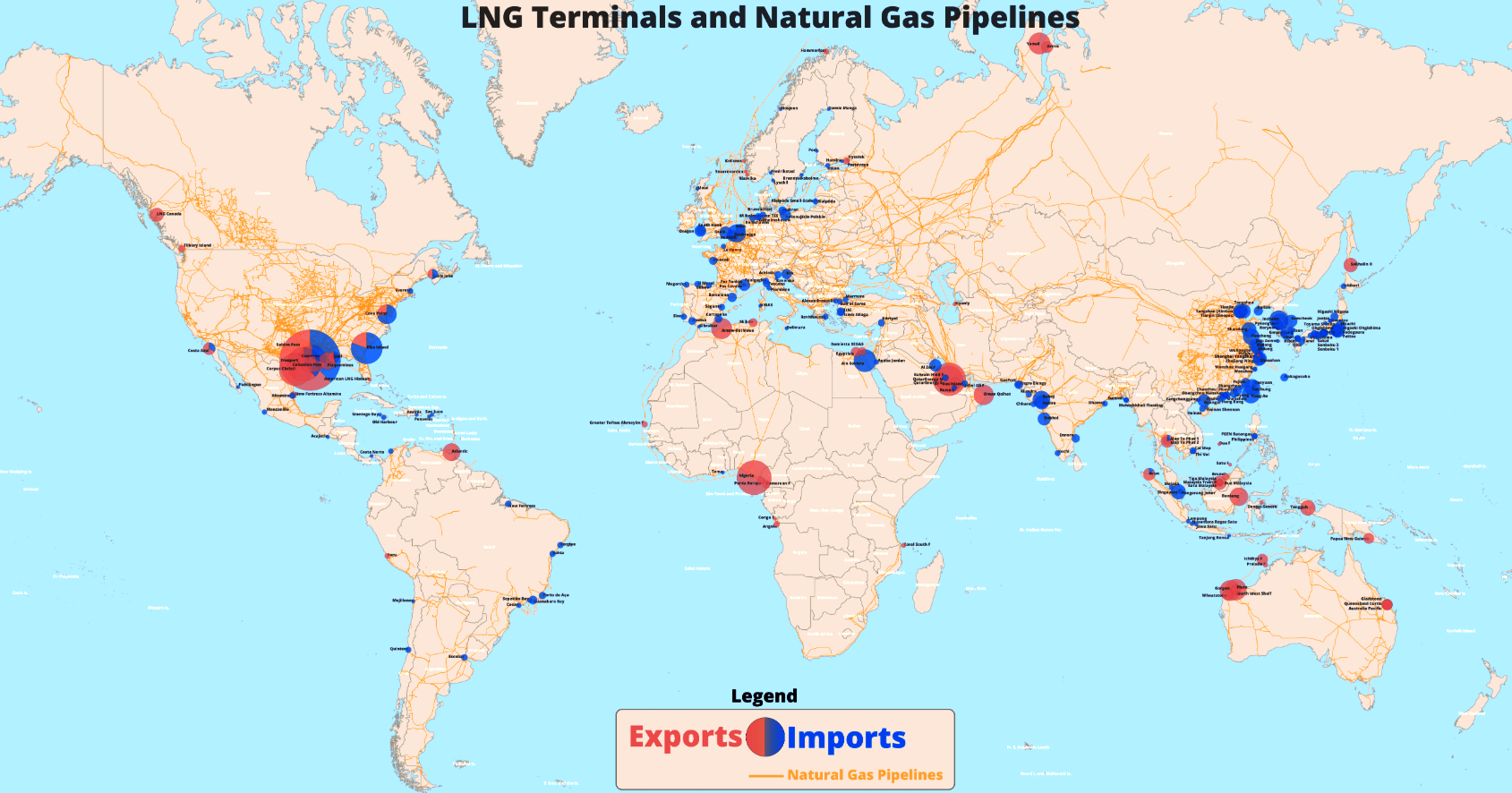
LNG Canada could be weeks away from a decision on a major expansion that would double the capacity of Canada's first large-scale liquefied natural gas export terminal and strengthen the country's ability to sell natural gas directly into overseas markets.
What Reuters reported
Reuters reported on September 17 that partners in the Shell-led project, which also includes Petronas, PetroChina, Mitsubishi Corp and Korea Gas Corporation, could reach a final investment decision on Phase 2 as early as October, citing three people familiar with the matter. The expansion would add about 14 million metric tones of annual capacity to the Kitimat facility in British Columbia, bringing total capacity to about 28 million tones a year.
What the companies themselves are saying
No final investment decision has been announced. Shell told Reuters that the venture partners continue to examine possible pathways for Phase 2 and that any decision will depend on factors including competitiveness, affordability, government support and stakeholder requirements. LNG Canada itself was more specific about timing in a separate statement, saying only that any potential final investment decision remains subject to the joint venture participants independently satisfying their commercial, fiscal, regulatory and governance requirements, and that the partners hope to make an investment decision before the end of the year.
What Ottawa has already committed to
The federal government has already designated the expansion as a project of national significance through the Major Projects Office. Ottawa says Phase 2 could attract about 33 billion Canadian dollars in private capital, create thousands of jobs and help diversify Canadian exports toward markets in Asia and potentially Europe.
A concrete Indigenous investment stake, not just consultation
The project also has a significant Indigenous dimension that goes beyond consultation commitments. The Kitimat facility is located on the traditional territory of the Haisla Nation. Earlier this year MNT Investments LP, representing a coalition of five neighboring First Nations, signed an agreement giving the coalition the option to invest up to one billion Canadian dollars in the Phase 2 expansion, one of the largest Indigenous investment opportunities in Canadian energy infrastructure to date.
Why Phase 1 changed the starting point
Phase 1 began exporting LNG in June 2025, at a cost of about 40 billion Canadian dollars, giving Canadian natural gas producers direct access to global LNG markets from the Pacific coast for the first time. Until then, Canadian gas exports were overwhelmingly tied to the North American pipeline system. That makes the Phase 2 decision larger than a conventional industrial expansion, since Canada is trying to reduce its dependence on a limited number of export routes. At the same time, governments increasingly treat energy security and reliable supply chains as strategic concerns, a concern sharpened by Middle East conflict, Red Sea shipping disruptions and uncertainty over flows through the Strait of Hormuz.
Additional infrastructure would also be required
The expansion would also require additional infrastructure. LNG Canada and the owners of Coastal GasLink announced an agreement in March to advance work needed to increase pipeline capacity if Phase 2 proceeds. Supporters argue Canadian LNG can serve growing Asian demand while generating investment and employment at home. At the same time, environmental groups and other critics continue to question the long-term climate implications of expanding fossil fuel production and infrastructure.
What the decision will actually test
The final investment decision will therefore test several competing Canadian priorities at once: trade diversification, energy security, private investment, Indigenous participation and climate policy. If the partners approve Phase 2, Canada would gain substantially more capacity to reach Pacific customers. If they delay or reject it, the decision would also reveal how investors judge the cost and competitiveness of building very large energy projects in Canada. For now, the project has moved from long-range ambition toward a potentially imminent commercial decision, and the next few weeks could determine whether Canada's Pacific LNG presence remains a major new export platform or becomes considerably larger.
Comments
Join the conversation
Enter your email — we'll send a 6-digit code so you can post a comment. No password needed.
- Be the first to comment.