
Iran Sends Washington Terms for Ending War, While Warning It Is Ready for a Decisive Fight
Tehran says it has communicated conditions through Qatar for renewed negotiations. Still, the same interview included explicit Iranian warnings of further military escalation, a twofold message that complicates an already widening regional conflict.
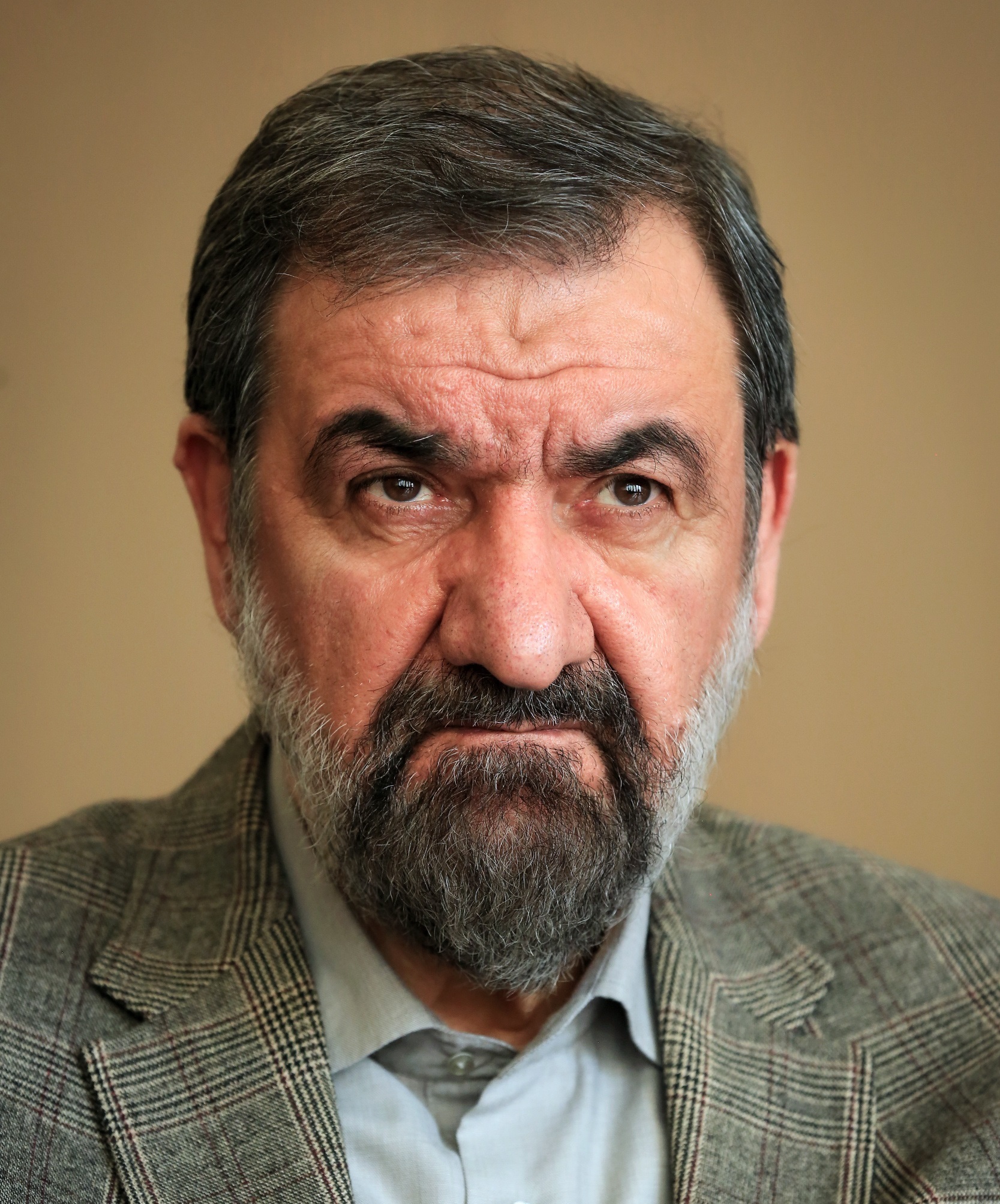
Iran says it has sent Washington a set of conditions for renewed negotiations aimed at ending the war. Still, the same statement also included explicit warnings that Tehran is preparing for further military escalation. This combination complicates the diplomatic signal at the same time that fighting involving Yemen's Houthis is increasing pressure on Saudi Arabia.
What Rezaei actually said about ending the war
Mohsen Rezaei, secretary of Iran's Supreme National Security Council, told Al Jazeera's Tehran bureau chief Nour Eddine Edghir in an exclusive interview Saturday that Tehran had communicated its position through Qatar and was awaiting a response from US President Donald Trump. Our conditions are an end to the war on all fronts, the release of our frozen funds and an end to the naval blockade, Rezaei said. Separately, in a social media post, Rezaei said Iran had announced seven conditions in total for starting any negotiations with the US government, though the interview elaborated only on the three cited above.
The other half of the message
The interview did not stop at diplomacy. Rezaei, who took over as Supreme National Security Council secretary about a month ago, said it is in Washington's interest to accept these conditions, adding that Trump's threats will not achieve any results because we are prepared for a decisive war. He did not rule out the possibility of another US strike, calling it very much on the cards based on Iranian military assessments. He said Iran had recently test-fired a multi-warhead anti-ship missile near a US vessel or aircraft carrier. Rezaei warned that any future Iranian response could be extensive, potentially targeting US bases in the region as well as American commercial interests and companies operating locally. Asked whether the war could end soon, Rezaei said, in practical terms, the war is still going on. Al Jazeera correspondent Tohid Asadi, reporting from Tehran, described the remarks as part of a two sided, twofold message Iran has maintained throughout the conflict, combining openness to diplomatic engagement with continued war preparations.
A separate dispute over what broke down the last deal
Rezaei also rejected US accusations that Iran violated a memorandum of understanding by striking an oil tanker in the Strait of Hormuz, telling Al Jazeera that Iran's actions were justified, though he did not dispute that the memorandum had expired last month. Mediators Qatar and Pakistan have been working since then to re-establish negotiations between the two sides. Iran's Foreign Ministry separately denied that mediation would be discussed during the Pakistani interior minister's upcoming visit to Tehran, a discrepancy with Rezaei's characterization of Pakistan's role that neither government has publicly resolved.
Escalation in Saudi Arabia on the same day
The diplomatic and military signals came during another day of regional escalation elsewhere. Saudi Arabia said its air defences intercepted a ballistic missile launched by Yemen's Houthis toward Riyadh, and the Saudi-led coalition said attacks directed at other Saudi locations were thwarted. The Houthis claimed attacks on sensitive sites in Riyadh and facilities associated with Saudi Aramco in Yanbu. Those broader claims were not independently verified, and Saudi authorities reported no casualties or damage from the intercepted ballistic missile aimed at the capital.
Why Yemen complicates a bilateral negotiation
The Riyadh attempt matters because it links the Yemen conflict more directly to the wider confrontation involving Iran and the United States. Houthi forces have also made territorial gains along Yemen's Red Sea coast, increasing concern about the security of maritime traffic near the Bab el Mandeb. That creates a difficult environment for diplomacy. A negotiation intended to reduce fighting between Washington and Tehran is unfolding while an Iran-aligned armed group is intensifying pressure on a major US partner in the Gulf. Iran and the Houthis are allies, but the extent of Tehran's operational control over individual Houthi decisions is disputed, and any assessment of Iranian responsibility for specific Houthi attacks therefore requires evidence beyond the broader political and military relationship.
What would actually have to happen next
The immediate question is whether the conditions transmitted through Qatar can form a basis for bargaining despite Rezaei's simultaneous war-readiness language. Ending the naval blockade and releasing frozen Iranian funds would require significant decisions by Washington. In contrast, ending fighting on all fronts would involve conflicts and armed actors beyond a simple bilateral negotiation. The regional context also raises the cost of failure. Continued attacks on Saudi territory and instability around the Red Sea could affect civilian security, shipping and energy infrastructure even if direct US and Iranian military activity decreases. The latest developments therefore point in two directions at once, within the same official's remarks as much as across the region: a diplomatic channel and a stated Iranian negotiating position exist, but so does an explicit claim of readiness for further war, and no agreement exists yet.
Comments
Join the conversation
Enter your email — we'll send a 6-digit code so you can post a comment. No password needed.
- Be the first to comment.