
Houthis Push Toward Strategic Yemen Highlands as Report of Halted US Strikes Remains Unverified
Houthi fighters are targeting the Kahboub Mountains to cut Saudi-backed forces off from the Red Sea coast, as an unverified New York Times report says Trump called off planned American airstrikes at the last minute, and questions remain over an apparent strike toward Riyadh.
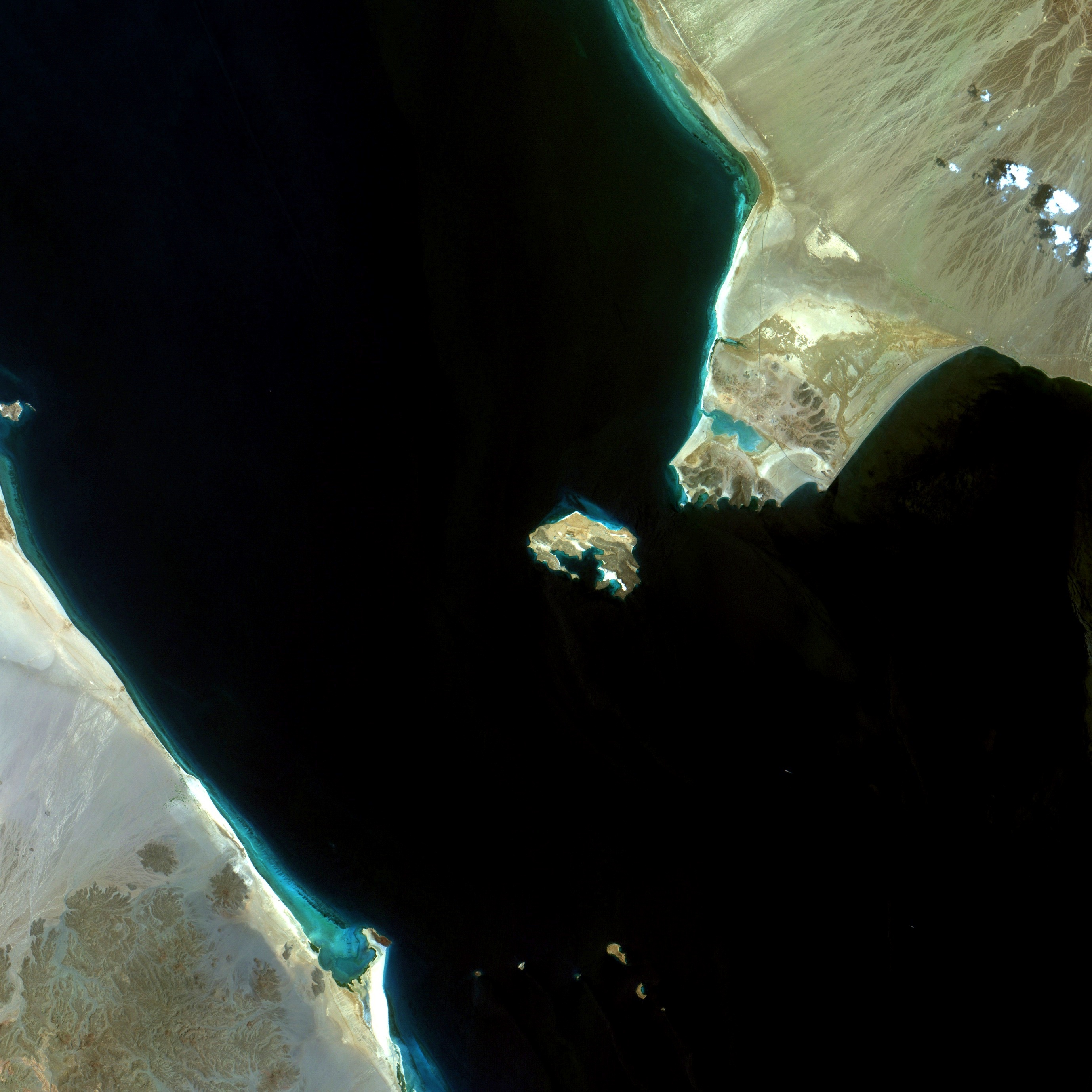
Yemen’s Houthis are pushing into the Kahboub Mountains, strategic highlands spanning Taiz and Lahij provinces, after rapid gains along the Red Sea coast, increasing pressure on Saudi-backed forces and adding another layer of risk to regional energy and shipping routes.
What the ground offensive actually targets
Five Yemeni military sources told Reuters that Houthi fighters were seeking to seize the Kahboub Mountains specifically to cut off the Red Sea coast from the remaining areas held by forces loyal to Yemen’s internationally recognized, Saudi-backed government, which is based in the south. The advance follows the group’s capture of Yemen’s Red Sea coast earlier this month in what Reuters described as a lightning advance that routed government forces entirely. Saudi Arabia has launched hundreds of strikes in recent days on Houthi positions in the highlands, according to the Houthis. Still, that air power advantage has done little to slow the ground advance so far, as Saudi-backed forces have largely melted away.
A report Reuters itself has not been able to confirm
Separately, The New York Times reported that the Trump administration prepared airstrikes against the Houthis on Sunday following renewed appeals from Saudi Crown Prince Mohammed bin Salman, and that Trump halted the operation at the last minute even as troops were actively loading bombs onto aircraft. This is important to state precisely: that account comes from the New York Times, not Reuters, and Reuters has said explicitly that it could not immediately verify the report, with US Central Command not responding to a request for comment. Washington has otherwise rebuffed repeated pleas from Mohammed bin Salman to join the fight directly, a pattern consistent through the conflict’s recent phase, even if this specific last-minute account remains unconfirmed.
An attack on Riyadh with an uncertain outcome
The Houthis said Saturday they had fired on Riyadh, and witnesses reported loud booms followed by columns of smoke visible near the Saudi capital’s airport, according to Reuters, in what would be the first apparent strike reaching the capital since the escalation began. Saudi Arabia has not commented on the incident. That leaves the outcome genuinely uncertain, in contrast to earlier reporting this month describing an intercepted Houthi ballistic missile aimed at Riyadh over the prior weekend. This separate, previously confirmed incident should not be conflated with Saturday’s still-uncommented-on attempt.
Why the highlands matter beyond the battlefield
Houthi control of more of Yemen’s western coast, and now a push to sever the remaining government held south from it entirely, gives the movement greater leverage near one of the world’s most important maritime passages. The Bab el Mandeb is essential to traffic between the Indian Ocean, the Red Sea and the Suez Canal, and the Houthis’ newfound control of the strait risks cutting off the main alternative route Saudi Arabia has used for oil exports that bypass disruption in the Strait of Hormuz. Disruption at Bab el Mandeb becomes especially significant precisely because Hormuz is also under pressure at the same time.
The human cost so far
The humanitarian toll is substantial and, depending on the count used, may still be climbing. The United Nations has recorded nearly 700 people killed and thousands injured in the fighting since the escalation began, according to Reuters, while more than 120,000 Yemenis have fled their homes within the country and thousands more have fled by boat across the Red Sea to Africa. Separate World Health Organization figures cited by the Associated Press put casualties at 680 between September 13 and 18 specifically, a narrower date range that should not be read as contradicting the broader UN running total, since the two figures measure different periods and may draw on different reporting mechanisms. Those figures reflect a population already weakened by years of conflict, economic collapse and damaged public services, and new displacement places additional pressure on communities inside Yemen and on nearby countries receiving people who flee by sea.
A conflict with several overlapping layers
The military situation also complicates diplomacy. The Houthis say they remain open to peace but demand an end to Saudi restrictions before negotiations. At the same time, Saudi Arabia faces attacks on its own territory and growing concern about the security of Red Sea energy infrastructure. Iran has supported the Houthis, but the degree of Iranian control over individual Houthi military decisions remains disputed, and China has separately asked Iran to help restrain the group after Saudi Arabia sought Beijing’s assistance. The result is a conflict with several overlapping layers: a Yemeni civil war, Saudi security concerns, Iranian regional influence, American efforts to avoid renewed direct intervention, and global dependence on vulnerable maritime routes.
What would actually resolve this
The next question is whether military pressure or diplomacy can stop the Houthi advance. If neither succeeds, the movement’s growing territorial control, potentially soon including the Kahboub Mountains that would sever the last government-held corridor to the coast, could reshape both Yemen’s internal balance and the security environment around the Red Sea.
Comments
Join the conversation
Enter your email — we'll send a 6-digit code so you can post a comment. No password needed.
- Be the first to comment.