
Germany and Russia Reopen Direct Talks as Security Tensions Rise
The foreign ministers of Germany and Russia met for the first time since before the 2022 invasion of Ukraine, with Berlin citing security concerns and a Black Sea food export crisis as reasons to restore direct communication.
A narrow channel reopens
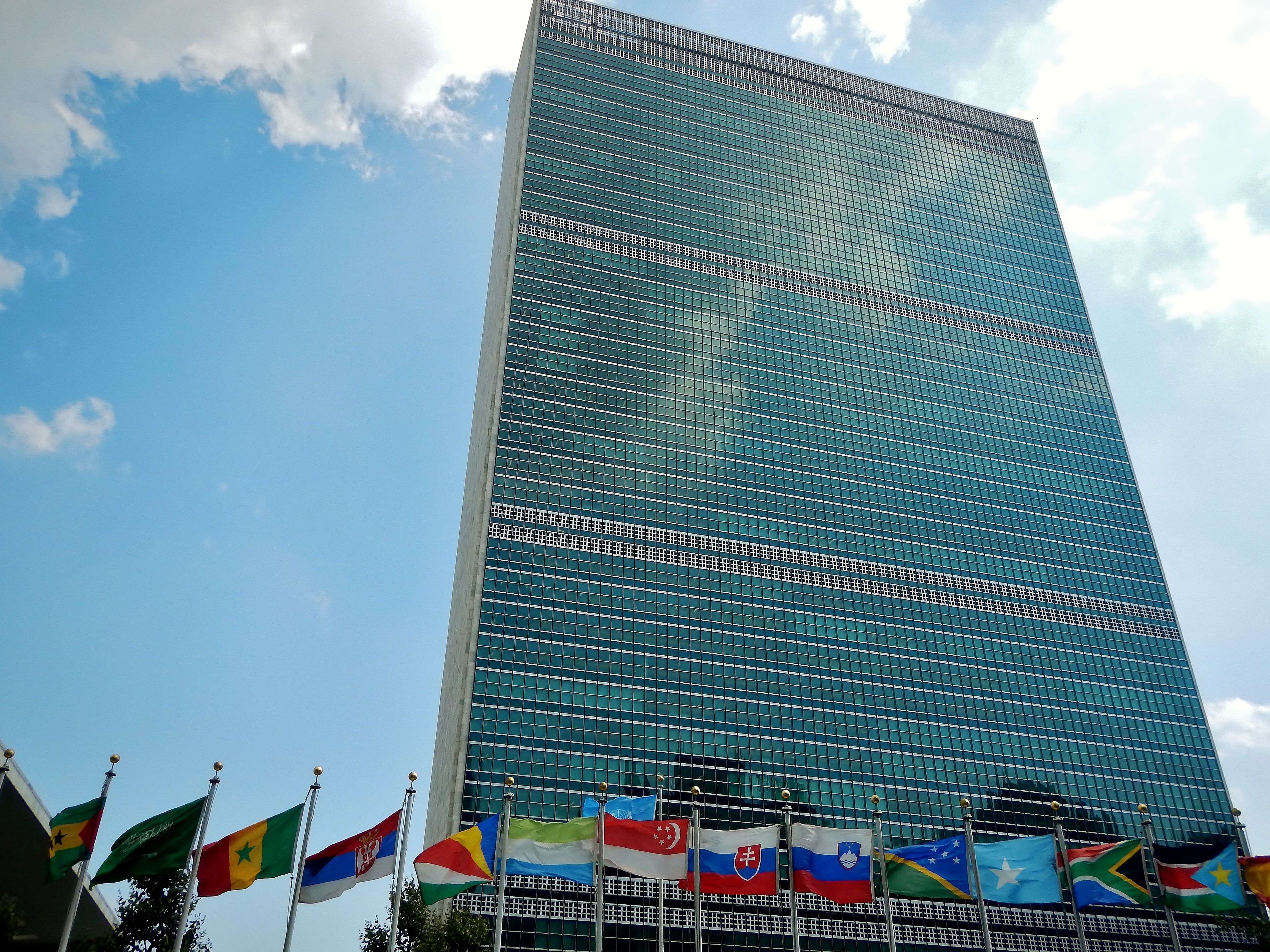
Germany and Russia held direct talks at the foreign minister level on Saturday for the first time since before Russia’s 2022 invasion of Ukraine, opening a narrow diplomatic channel at a moment of rising tension between Moscow and Europe. German Foreign Minister Johann Wadephul met Russian Foreign Minister Sergei Lavrov on the sidelines of the United Nations General Assembly in New York.
Wadephul said the meeting did not signal any shift in Germany’s position. “I used this opportunity to reiterate our position on Russia’s war of aggression against Ukraine,” he said, “and to call for an immediate and complete ceasefire, most pressingly with a focus on grain exports, and the energy infrastructure.”
The Leipzig incident as a turning point
The immediate trigger for seeking direct contact was an August drone incident at Leipzig Halle Airport, which Germany has blamed on Russia. Moscow denies responsibility and has accused Berlin of fabricating evidence. Wadephul said the episode “crossed a line” and told reporters, “Russia has to understand that we are ready to resist and to defend ourselves.”
A Black Sea appeal from the Global South
The second reason for the meeting was the Black Sea, where attacks on ports, vessels, and energy infrastructure have disrupted both Russian and Ukrainian exports, with consequences that extend well beyond the two combatants because many countries depend on Black Sea routes for grain. Wadephul said governments in the Global South had urged him to raise the issue directly with Moscow. “There is a threat of famine there,” he said, “and that is why I am advocating for a ceasefire in the Black Sea.”
Egypt, India, and Turkiye have separately put forward proposals aimed at securing safer Black Sea shipping routes, and the Kremlin has confirmed that Turkiye specifically submitted proposals on Black Sea navigation security. Those overlapping efforts suggest the file has drawn interest well beyond Berlin and Moscow, even as the core conflict between Russia and Ukraine remains unresolved.
Lavrov’s dismissive response
Lavrov played down the substance of the meeting afterward, telling reporters that he had learned nothing new from the German side and suggesting Wadephul could have shared his public statements instead of meeting in person: “You could just have called me and said: ‘Read my statement.’” On the Black Sea specifically, Lavrov said, “There is a need for separate discussions with the Ukrainians, and not in the language of requests, but rather demands,” and he accused Germany of acting as Kyiv’s “main sponsor” and of seeking to become “a leading military power in Europe.”
Wadephul rejected the framing that raising these issues directly was pointless. “Russia cannot explain to the world why it is continuing this war,” he said. “It is senseless; it costs thousands of lives.”
Contact without alignment
The exchange illustrates a distinction that can blur during long conflicts: maintaining a diplomatic channel is not the same as shifting political alignment. Germany remains one of Ukraine’s most significant European backers, and relations with Moscow have deteriorated sharply since 2022. Reopening this channel does not change that underlying position. Still, it does give Berlin a direct line to raise security warnings and test whether narrower, practical arrangements on shipping, energy infrastructure, or humanitarian issues are possible even without a broader political breakthrough.
What would make the channel matter
The value of Saturday’s meeting will depend on what follows it. A concrete arrangement protecting Black Sea grain and energy shipments would demonstrate that direct contact between Berlin and Moscow can produce results even amid deep disagreement. Without that kind of follow-up, the meeting will mainly serve as evidence that the two governments are willing to speak to each other while their fundamental positions on the war, and on responsibility for incidents like the one at Leipzig, remain as far apart as ever.
Comments
Join the conversation
Enter your email — we'll send a 6-digit code so you can post a comment. No password needed.
- Be the first to comment.