Congo’s Ebola Outbreak Passes Eight Thousand Cases as WHO Warns It Is Far From Over
With a case fatality rate near 48 percent and no approved vaccine for the strain involved, the World Health Organization says the outbreak could surpass the 2014 to 2016 West African epidemic that killed more than 11,000 people.
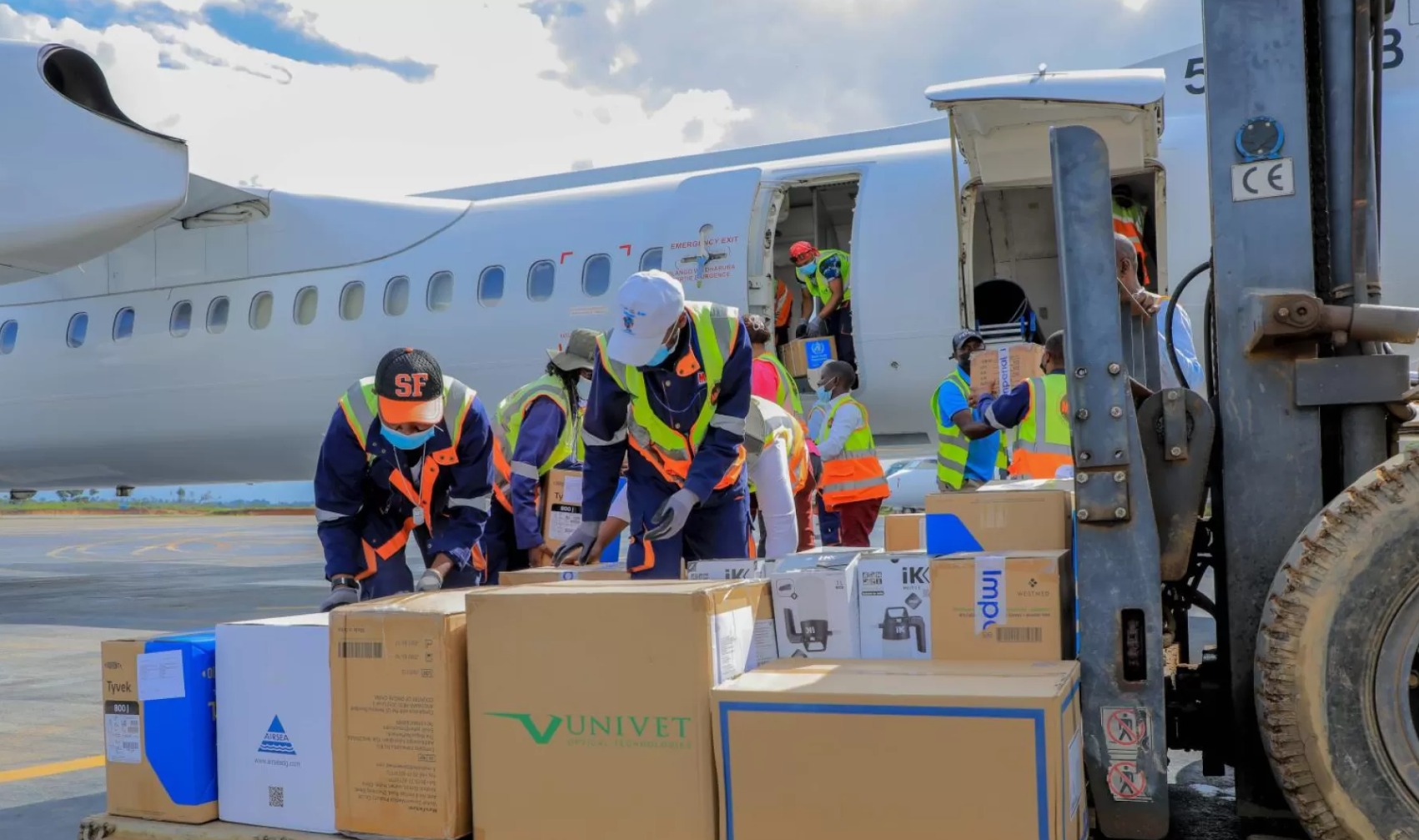
The Ebola outbreak in the Democratic Republic of the Congo has passed eight thousand confirmed cases, and the World Health Organization is warning that the crisis is still expanding rather than coming under control.
A high fatality rate and no approved vaccine
As of September 26, the World Health Organization recorded 8,067 confirmed cases and 3,901 deaths, a case fatality rate of roughly 48 percent. The outbreak is caused by the Bundibugyo strain of the Ebola virus, for which no approved vaccine or treatment currently exists, unlike the more common Zaire strain that has been the target of most Ebola vaccination campaigns in recent years. The World Health Organization said the continuing high death rate, “especially the continuous high rate of deaths occurring in communities,” underlines how serious the situation remains.
Spreading across seven provinces
Confirmed cases have now been reported in 63 health zones across seven provinces. Ituri remains the most affected, with more than 6,000 cases recorded, followed by North Kivu, where officials have logged more than 1,480 cases, including several hundred in just the past three weeks. Health authorities have also reported a complete shortage of experimental vaccine stocks in Tshopo province and low treatment capacity at health centres in Ituri.
A politician killed after urging Ebola prevention
The scale of the response challenge was underscored this month by the killing of Marie-Celestin Karondwa, an official with the ruling UDPS party’s committee in Butembo, who was beaten to death by residents after he appeared on the radio to urge Ebola prevention measures, according to his party. The killing is a stark illustration of the distrust and misinformation that have complicated the response in some communities, and that the World Health Organization has repeatedly identified as a central obstacle to ending the outbreak.
Funding and the risk of a larger epidemic
The World Health Organization has warned the outbreak could surpass the 2014 to 2016 West African Ebola epidemic, which killed more than 11,000 people and remains the deadliest Ebola outbreak on record. A group of 20 nations have pledged 2.9 billion dollars toward the response, but the Africa Centres for Disease Control and Prevention has said that “this unprecedented mobilization of cash and in-kind assistance must now be converted rapidly into disbursements” if it is to make a difference on the ground.
What ending the outbreak will require
Public health officials say ending the outbreak depends on the basics of epidemic control: rapid case detection, safe isolation and treatment, contact tracing, and community engagement to counter distrust and misinformation. Insecurity, displacement, and the lack of an approved vaccine for this strain make those tasks harder in Congo. Until the pace of new cases begins to fall in the hardest-hit health zones, the World Health Organization’s own assessment is that the crisis in the Democratic Republic of the Congo remains, in its words, far from over.
Comments
Join the conversation
Enter your email — we'll send a 6-digit code so you can post a comment. No password needed.
- Be the first to comment.