
Canada Sets September 8 Counter Tariffs as Trade Conflict Moves From Threats to Costs
Ottawa will match new United States tariffs on 27.6 billion dollars of Canadian goods with targeted duties on American imports, while preparing a support package for workers and businesses exposed to the dispute.
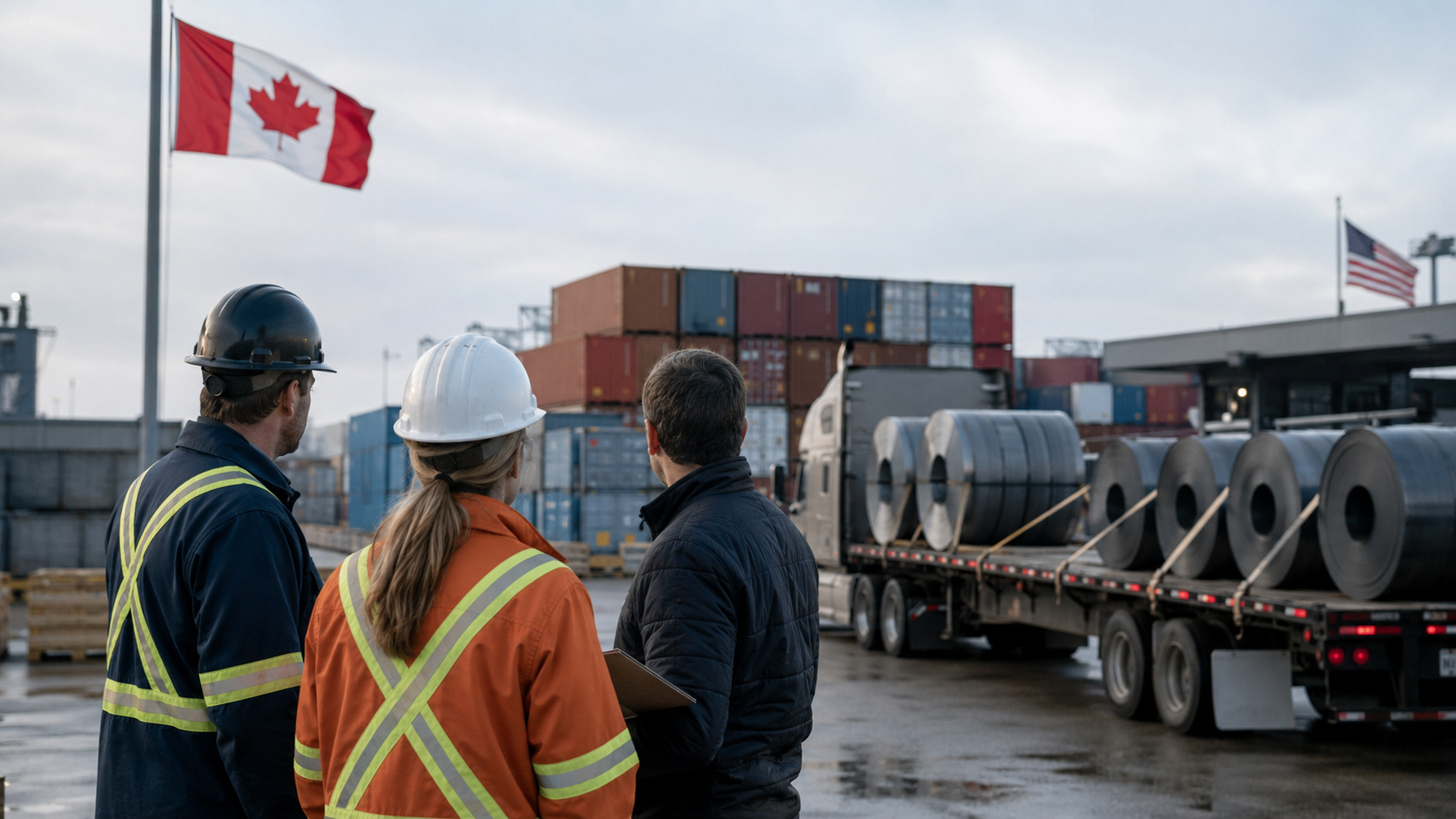
Canada moved from warning to implementation on Tuesday, setting out the counter tariffs it will impose on United States goods after bilateral trade negotiations collapsed and Washington introduced new duties on Canadian exports.
What Ottawa announced
The Department of Finance said the United States imposed a 50 percent tariff on 27.6 billion Canadian dollars of Canadian goods effective August 22. Canada will respond beginning September 8 with tariffs of 15, 25 and 50 percent on American products, with rates designed to match the United States treatment of comparable Canadian goods, according to the department’s published announcement.
The Canadian list, published by the Department of Finance at the tariff item level, covers 27.6 billion dollars in imports and concentrates on sectors including steel, dairy products, appliances, agricultural equipment, pulp and paper, and electronics. Ottawa has presented the measures as targeted retaliation intended to create a level playing field rather than a general barrier against American commerce. Finance Minister Francois Philippe Champagne said the government will also provide a support package for affected workers and businesses, according to the Department of Finance’s announcement.
From threats to real costs
The announcement changes the practical meaning of the dispute. Until now, much of the confrontation revolved around deadlines, negotiations and threatened measures. Businesses can now identify products that will face additional costs and begin calculating the effect on purchasing, pricing and investment.
Financial markets also began assessing the consequences. Reuters reported that the Canadian dollar edged higher on Tuesday while bond yields fell as investors weighed the escalation and its possible effect on the Bank of Canada’s policy outlook.
The government is also preparing support for workers and businesses affected by the tariffs. That reflects a difficult policy balance. Retaliation may strengthen Canada’s negotiating position, but tariffs can also raise costs for Canadian companies that import American machinery, components and other inputs.
What comes next
The automotive sector remains an additional source of uncertainty after President Donald Trump threatened a 50 percent tariff on Canadian cars, trucks and automotive parts beginning January 1, Reuters reported. Because vehicle production is deeply integrated across the border, such a measure could affect factories and suppliers in both countries.
The September 8 date therefore becomes the next major point in the dispute. The question is whether the approaching implementation of Canadian retaliation creates enough pressure for negotiations to resume or instead makes the economic confrontation more difficult to reverse.
Editorial note on figures
NordoVista’s prior coverage of the broader tariff dispute cited figures ranging from approximately 20 billion to 28 billion dollars for the scope of the US measure. Direct review of the Department of Finance’s own published materials confirms 27.6 billion Canadian dollars as the precise figure, which several outlets, including Al Jazeera, have separately reported as approximately 19.9 billion US dollars at prevailing exchange rates. The apparent discrepancy in NordoVista’s earlier coverage appears to reflect a mix of currency conventions and rounding across different wire sources rather than a factual error in any single prior piece, and 27.6 billion Canadian dollars should now be treated as the authoritative figure going forward.
Comments
Join the conversation
Enter your email — we'll send a 6-digit code so you can post a comment. No password needed.
- Be the first to comment.