
Canada Auto Sector Faces New Test as Proposed US Tariff Threatens Toyota and Honda
Toyota and Honda produce more than three-quarters of vehicles assembled in Canada, leaving Ontario manufacturing unusually exposed if Washington doubles its tariff on Canadian vehicle imports to 50 percent on January 1, 2027.
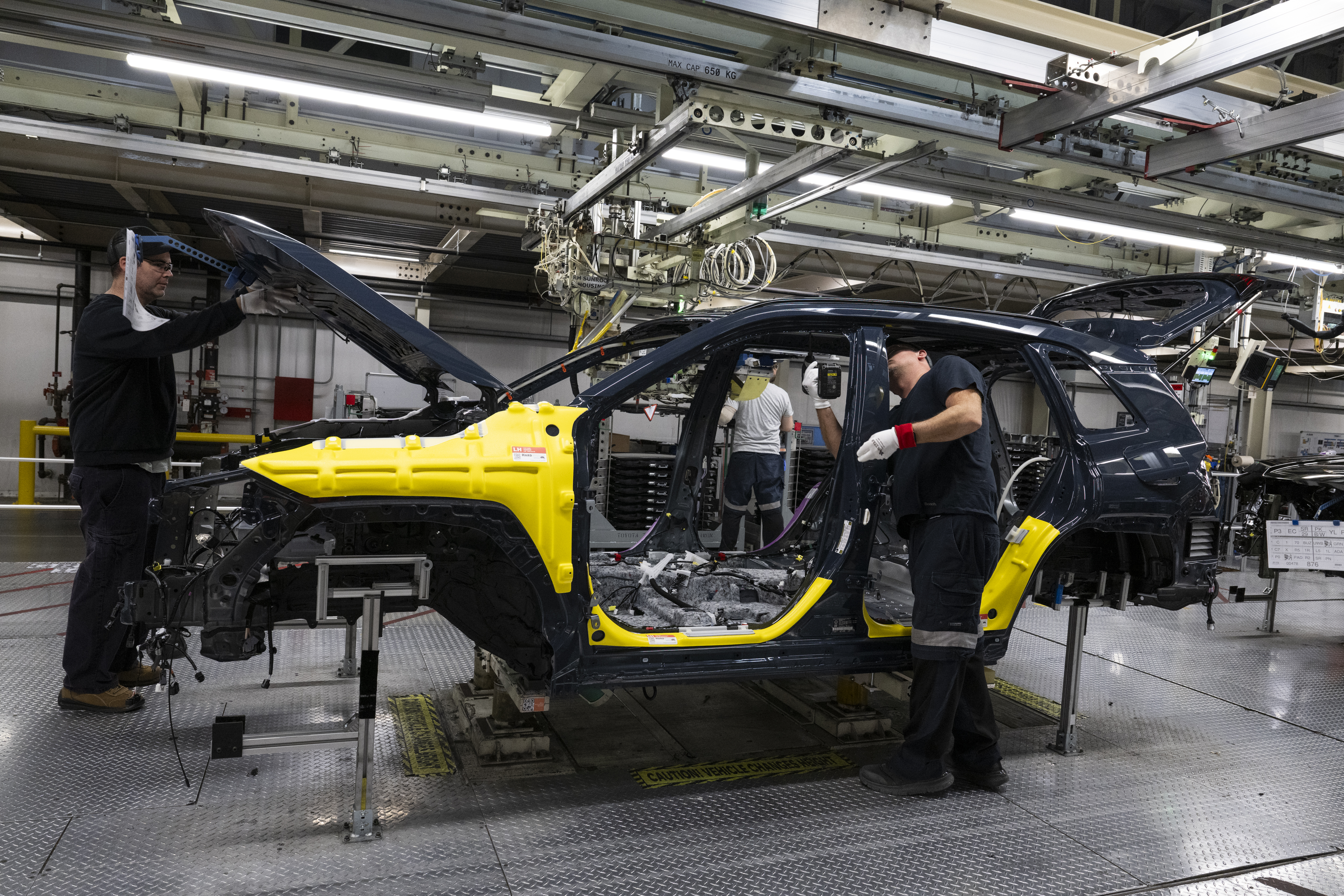
Canada’s automotive industry is emerging as one of the most vulnerable sectors in the escalating trade confrontation with the United States, with Toyota and Honda facing particularly difficult decisions about their Ontario production.
Two companies carry the exposure
Reuters reported that the two Japanese manufacturers account for more than three-quarters, roughly 76.5 percent according to Global Automakers of Canada figures cited by Reuters, of vehicles assembled in Canada. President Trump announced on August 24 that tariffs on Canadian-built cars, trucks, automotive parts and steel would rise to 50 percent on January 1, 2027, doubling the existing 25 percent rate, after trade talks that had reportedly been discussing a reduction to 15 percent collapsed. Canadian-built vehicles represented about 17 percent of Toyota’s US sales last year and nearly one quarter of Honda’s, according to Barclays analyst estimates cited by Reuters. Toyota assembled more than 535,000 vehicles in Canada in 2025 at its Cambridge and Woodstock, Ontario plants, which employ more than 8,500 people, making it the country’s highest volume automaker.
Some analysts describe the stakes in stark terms. If you really wanted to destroy the Canadian auto industry, you could with these tariffs, Julie Boote, an autos analyst at Pelham Smithers Associates in London, told Reuters.
Redirecting production would not be simple
Vehicles assembled in Canada are integrated into continental supply chains built around United States demand, regulations and distribution networks. Moving production or redirecting vehicles to other markets would require changes in sourcing, logistics and manufacturing plans that cannot happen quickly. Honda’s options are notably more limited than Toyota’s. The company had announced a 15 billion Canadian dollar investment in an Ontario electric vehicle value chain, including a proposed vehicle factory and battery production, in 2024, but that plan was placed on hold and Honda subsequently suspended the project altogether, according to reporting reviewed for this piece. Toyota, by contrast, is simultaneously expanding a separate 3.6 billion US dollar investment in Texas that will add a new assembly line, though that expansion was not designed to solve the specific problem created by the proposed Canadian tariff.
The broader exposure is significant
Canada produced more than 1.2 million passenger vehicles in 2025, according to federal government figures. More than 90 percent of Canadian-made vehicles and about 60 percent of Canadian-made auto parts are exported to the United States. The sector directly employs more than 125,000 people and supports hundreds of thousands of additional jobs through parts suppliers, dealerships and related services, with government data estimating approximately 427,000 indirectly supported jobs using the broader industry measure.
That concentration makes automotive manufacturing unusually sensitive to changes in border policy. Canadian vehicles have already faced a 25 percent US tariff on non United States content since April 2025, though United States content in vehicles compliant with the continental trade agreement has been exempt. The proposed January increase would substantially deepen that pressure.
A four month window, not a settled outcome
The tariff dispute also comes as companies decide where to place the next generation of manufacturing investment. Honda has been assessing future North American production plans while Toyota is increasing investment in the United States, and Reuters reported that uncertainty around the continental trade framework is making long-term Canadian investment decisions more difficult. Roughly four months remain before the threatened increase takes effect, industry sources told Reuters, leaving room for another agreement. However, automakers cannot make production and investment decisions assuming Washington will necessarily reverse course.
Ottawa has responded to wider United States trade measures with its own counter tariffs. Beginning September 8, Canada plans tariffs of 15, 25 and 50 percent on 27.6 billion Canadian dollars of United States imports. Those measures may create negotiating leverage, but the auto sector demonstrates the limits of retaliation. Canadian factories depend on access to the American market in a way that exports to Europe or Asia cannot quickly replace, and even a successful diversification strategy would require years of new infrastructure, trade relationships and investment.
The immediate issue is whether Washington carries out the January tariff increase. The larger question is whether manufacturers can continue treating Canada and the United States as a single integrated production system if tariff policy becomes increasingly unpredictable. For Ontario communities built around automotive manufacturing, that question could determine not only future investment but the long-term location of thousands of industrial jobs.
Comments
Join the conversation
Enter your email — we'll send a 6-digit code so you can post a comment. No password needed.
- Be the first to comment.