
Canada Sheds 41,700 Jobs in August as Bank of Canada Signals It Could Raise Rates
Unemployment held at a two year low of 6.4 percent even as full time work fell sharply, manufacturing posted the only significant gain, and the central bank said it is prepared to hike rates more than once if inflation stays too high.
Canada’s labour market lost 41,700 jobs in August, a sharp reversal after unusually strong summer hiring, and a signal that the economy is entering the autumn with less momentum just as new US tariffs and Canada’s own counter tariffs take hold.
Statistics Canada’s Labour Force Survey, released September 4, showed the unemployment rate holding at 6.4 percent, unchanged from July’s two year low. The stability in the headline rate partly reflected a smaller labour force rather than strength in employment, with the participation rate slipping to 65.0 percent from 65.1 percent. The decline was concentrated in full-time work, which fell by 35,900 positions, while part-time employment decreased by 5,800. Reuters reported that economists had expected employment to rise by about 15,000, making the result considerably weaker than forecast, and it ends a hot streak that added 181,000 jobs from April through July.
According to Statistics Canada’s own Daily release, the sectors that declined in August were business, building and other support services, down 20,000; public administration, down 8,800; natural resources, down 7,700; and utilities, down 5,600. The public sector shed jobs for a third consecutive month, down 20,000 in August and 78,000 since May. Manufacturing was the only sector to record a significant increase, up 22,100, with most of that gain, roughly 14,000 positions, concentrated in Ontario. Employment declined in Quebec, down 19,000, and edged down in Ontario, down 18,000, despite that province’s manufacturing gain. Wholesale and retail trade recorded the largest decline of any sector over the trailing 12 months, down 55,000.
Some of the monthly weakness reflects the end of temporary hiring that had supported employment earlier in the summer, including work connected to the census and the men’s soccer World Cup, which makes a single monthly report an imperfect measure of the underlying economy. CIBC senior economist Andrew Grantham offered that broader context, saying the Canadian labour market cooled down in August, giving back more than half of the jobs gained during the extremely hot July, but noting that the three, six and twelve month averages for employment growth were all hovering around 20,000 in August, slightly above the pace of population growth and consistent with the gradual improvement in the unemployment rate seen over the prior year.
Wages, youth employment, and the trade backdrop
Other indicators point to a softer labour market beyond the headline job count. Youth unemployment stood at 12.9 percent, little changed from prior months. In comparison, average hourly wage growth for employees slowed to 2.0 percent year over year, its weakest pace since November 2017 outside the pandemic period. Wage growth was notably uneven: employees in the bottom quarter of the wage distribution saw pay rise just 1.1 percent, compared with 2.1 percent for those in the top quarter.
Timing matters because Canadian employers are also facing a tougher trade environment. US tariffs of 50 percent on an estimated 28 billion dollars of Canadian goods took effect in August, and Canada began matching those measures dollar for dollar on roughly 27.6 billion dollars of American goods starting September 8. Candace Laing, president and chief executive of the Canadian Chamber of Commerce, said businesses will mobilize their network across regions and sectors to brace for impact and make the best of a bad situation. Bea Bruske of the Canadian Labour Congress said what we need to see from the government right now is stronger support for workers. The federal government has pointed to a $ 7.5 billion package of new and enhanced measures for workers and businesses affected by the tariffs, on top of nearly $ 25 billion in support provided since the dispute began, and Prime Minister Carney has said Ottawa will announce additional measures for affected industries.
A more hawkish signal from the Bank of Canada
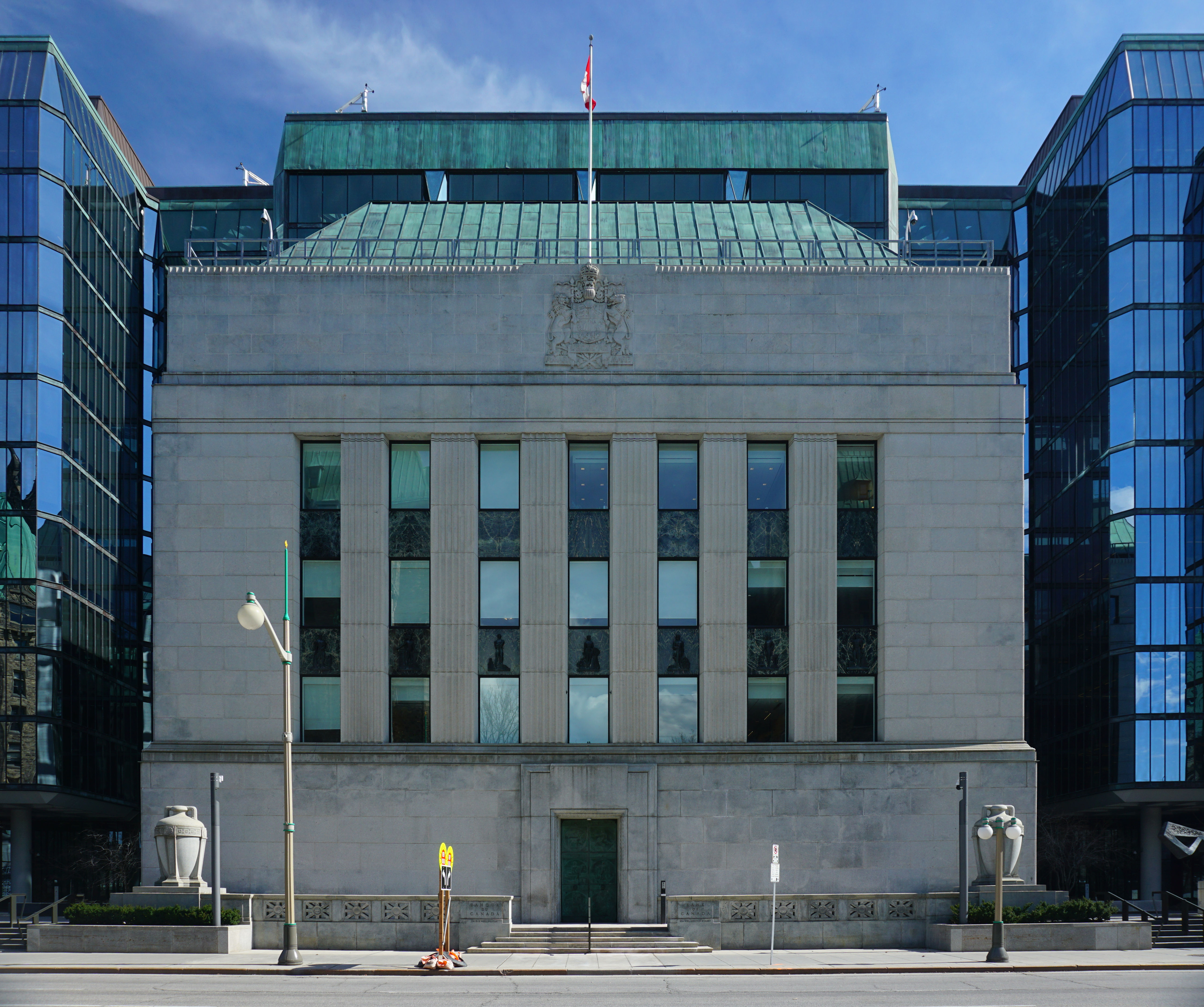
The Bank of Canada held its policy rate at 2.25 percent on September 2, its seventh consecutive decision without a change. Governor Tiff Macklem’s remarks, however, struck a notably more hawkish tone than markets had expected. Macklem said the bank is prepared to raise borrowing costs multiple times if inflation remains too high, telling reporters that certainly if we felt that inflation was going to remain too high, yes, we are prepared to raise interest rates, and if it takes more than one increase, we’re prepared to do that. He pointed to elevated global oil prices tied to the renewed conflict between the United States and Iran as the more significant driver of upside inflation risk at present, saying the bank assesses the inflationary impact of Canada’s own counter tariffs as fairly modest by comparison. Bond yields rose during the press conference as markets adjusted to the more hawkish signal. The next scheduled rate announcement is October 28.
What comes next
The August employment report does not by itself establish that Canada is entering a broader downturn. Monthly labour data can be volatile, and the unemployment rate remains well below levels seen at points earlier in the economic cycle. It does, however, weaken the underlying picture just as the latest tariff measures begin to affect business decisions on both sides of the border. The next Labour Force Survey, covering September conditions, is due October 9, and will show whether August was mainly a correction after temporary summer hiring or the beginning of a more persistent slowdown. For policymakers, the central question is now doubled: whether trade pressure begins to produce sustained job losses, even as the Bank of Canada signals it may need to raise rates rather than cut them if energy-driven inflation does not ease.
Comments
Join the conversation
Enter your email — we'll send a 6-digit code so you can post a comment. No password needed.
- Be the first to comment.